
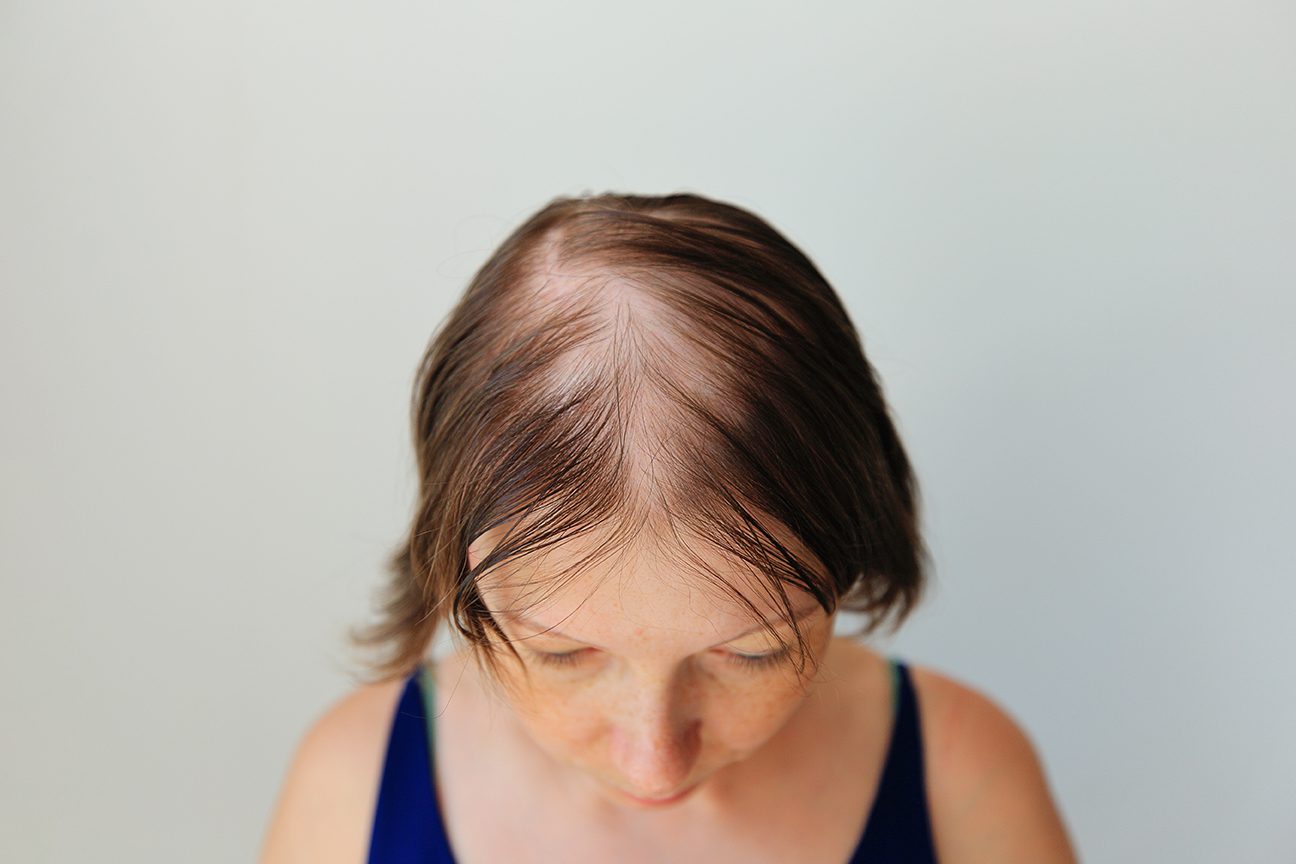
Female Hair Loss Causes – More Common Than You Might Think
Hair loss is often seen as a problem for men, but many women also experience thinning or shedding at some point in their lives. One of the most common types is female pattern hair loss. This usually appears as gradual thinning on the top of the scalp or along the parting, rather than complete bald patches.
Over time, hair may feel finer, look flatter and lose volume. The parting may slowly widen, making thinning more noticeable.
Hair loss in women can happen for many reasons. These include hormone changes, stress, illness, medical treatments or lifestyle changes. Hair loss is not always permanent, and finding the cause early can greatly improve results.
Common Reasons for Hair Loss in Women
Hair loss in women is often caused by more than one factor. Common causes include:
Inherited hair loss
Genetics play a key role, especially if hair thinning runs in the family.
Hormonal changes
Pregnancy, childbirth, menopause and thyroid conditions can affect the hair growth cycle and lead to increased shedding.
Stress or illness
Physical illness, surgery or long periods of stress can cause temporary hair shedding. This is known as telogen effluvium.
Medical treatments or medication
Some medicines and treatments, including chemotherapy, can cause hair thinning or loss.
Understanding the cause of hair loss helps create a more effective treatment plan. A professional assessment can identify the type of hair loss and guide the best next steps.
Treatment Options for Women’s Hair Loss
At MHR Clinic, treatment is tailored to each person and may include medical, non-surgical or surgical options.
1. Minoxidil and Prescription Treatments
Topical minoxidil is commonly used to reduce hair shedding and support regrowth. When used regularly, it helps increase blood flow to the scalp, delivering nutrients to the hair follicles.
In some cases, prescription treatments may be recommended to help reduce hormone-related hair thinning, depending on the cause.
2. Non-Surgical Hair Restoration Treatments
Non-surgical treatments, such as low-level laser therapy, can help improve scalp health and support hair growth.
PRP therapy is another option. It uses growth factors from your own blood to stimulate weakened follicles and encourage healthier hair growth, without surgery.
3. Surgical Hair Restoration
For women with long-term or advanced hair thinning that has not improved with other treatments, FUE hair transplantation may be suitable. This procedure moves healthy hair follicles to thinning areas, creating natural-looking results that suit the individual’s hairline and scalp.
Support, Confidence and Ongoing Care
Hair loss can affect confidence and emotional well-being. Choosing a clinic that offers expert care, understanding and ongoing support is important.
At MHR Clinic, patients receive a personalised treatment plan, private consultations and continued care from experienced professionals.
Whether your hair loss is new or something you have dealt with for years, help is available, and you don’t have to manage it alone.